



- We get a 9.2 from more than 3,000 reviews
- Digital dashboard with real-time insights
- ISO certified
Menu

Understanding the impact of prevention on absenteeism, job satisfaction and productivity
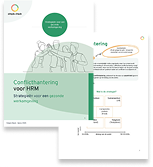
A manual based on proven methods such as TKI, coaching and mediation.

Learn how to effectively use the Sustainable Employability Index to strengthen your organization.


We are increasingly conscious of what we eat and drink and try to make sure we get enough exercise. Taking good care of yourself often means that you are and stay more balanced, which has a preventive effect against burnout. It is just as important to take good care of yourself mentally! And therefore to know which choices you make and should make. This is often easier said than done. Because how do you do that? What does it mean exactly, 'taking good care of yourself'?


5-step plan for effective policy, including checklist.
"*" indicates required fields
More than 1,700 companies went before you. It's that simple. Check.
More insight into what you feel, insight into your behavior (towards others and especially yourself) and insight into what makes you happy. To find that out, it is important to actually make time for yourself.
Most people often discover late that they are not taking good care of themselves, and don't notice it until they go completely under. They become ill, depressed, excessively tired, or feel completely out of balance. To prevent burnout, it is important to recognize the first signs of mounting stress as early as possible. The earlier you recognize symptoms in yourself and dare to deal with them, the faster and more visible the result.
So make time for yourself, and choose activities that help you relax, such as walking, exercising, doing "nothing at all," or writing down your thoughts. You don't have to look for solutions right away; it's about being curious about yourself. What do you feel? What reactions do you notice in yourself? By taking these signals seriously, you can get stress and overload under control sooner.
Below are some symptoms that are important to recognize in yourself.
The main symptoms of too much stress
Stress can manifest itself in a variety of ways. Below is an overview of the most common symptoms:
Physical complaints
Feelings
Behavioral complaints
Thinking complaints
There are other stress symptoms, which can be different for everyone. For example, some people experience hair loss or get caught in an unattainable crush. When stressed, some react with social isolation, while others seek more companionship. Physical reactions also differ: some get diarrhea, while others get constipation.
For each, there is often one signal that is most characteristic. By recognizing your own, earliest stress signals, you can better control your stress levels.
Possible causes of stress and burnout include:
Some people get burnout faster than others. People who have aptitude are generally very loyal, faithful, with integrity and set the bar high for both themselves and those around them. Wonderful qualities that are also pitfalls. Private life events can also increase the workload to such an extent that burnout occurs.
In most cases, however, workload plays a bigger role than private problems. More often private life is disrupted by work problems than private problems affect the ability to work (see research by Sabine Geurts, Catholic University Nijmegen).
The balance between load and load capacity does not look the same for everyone. Moreover, increasing some skills can help a person avoid burnout.
All in all, the main cause of burnout appears to be workload. When someone becomes burnout, it is usually because the work is too stressful.
Did you know that the term "burnout" was first used in 1974 by American psychologist Herbert Freudenberger? He used the term to describe a condition in which people feel completely exhausted, both physically and emotionally.
Freudenberger experienced burnout himself and discovered that the condition often occurs in people with many responsibilities and a strong commitment to their work.
Signs of growing burnoutin individuals and teams can include:
Clearly, as tension grows, people dig in their heels and their commitment to the organization diminishes. This is self-protection. Without being a conscious choice in that way. It is a natural consequence of their condition - after all, it is high time for the tension to abate before it rises to the point where their health is at stake.
It can help to regularly reflect on how you feel and how you are doing. Ask yourself the following questions:
The above pretty much sums up what to look out for. Read through this regularly and then answer the questions and comments honestly. Do you recognize them? Does this bother you regularly? Does it worry you (sometimes)? See it as a gift to yourself by getting serious about increasing your insight. You will gain this insight by looking at yourself in a more contemplative and curious way. Without judgment or fear. This is a difference between brooding and self-reflection. And by asking the right questions you give direction to your life.
Reflecting on what really matters to you can be a strong motivation to do things differently from now on.
Want to know more? Simple Check works with coaches who specialize in burnout and prevention. You can find more info here. Or get in touch for a free intake chat.
This article provides additional information about the diagnosis and treatment of burnout.
As CEO of Simple Check, I am committed to helping organizations and employees work in a vital, healthy, and enjoyable way every day.
Working with Simple Check means clear insight into what is really going on within your organization.
We help companies get a handle on work stress, vitality, health and engagement so that employees stay healthier, more energetic and productive.

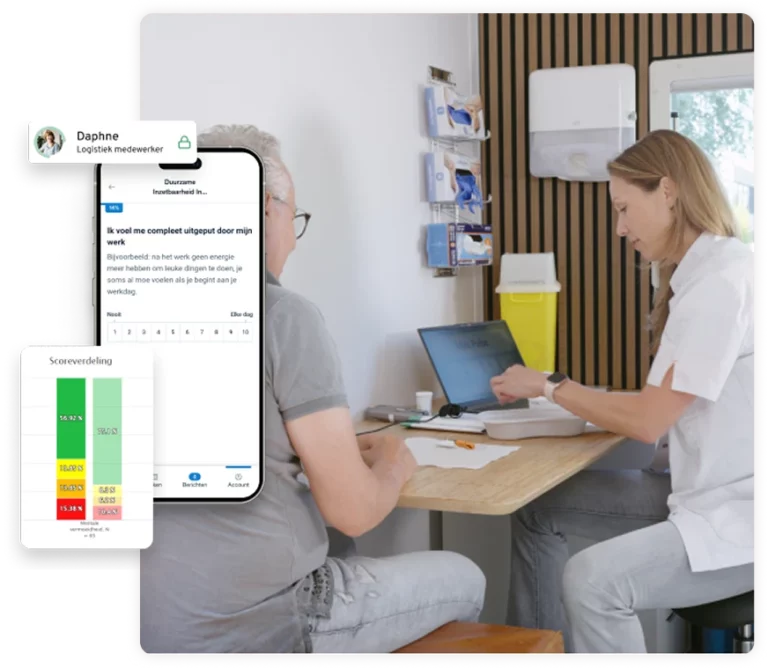
A Preventive Medical Examination (PMO) is required by law, but its true value lies in what you do with the results.…
Our consultants are ready to discover together how to create a healthy, safe and vital work environment in your company.
Request a quote Lisa Meddens
CEO of Simple Check
Lisa Meddens
CEO of Simple Check