



- We get a 9.2 from more than 3,000 reviews
- Digital dashboard with real-time insights
- ISO certified
Menu

Understanding the impact of prevention on absenteeism, job satisfaction and productivity
A manual based on proven methods such as TKI, coaching and mediation.

Learn how to effectively use the Sustainable Employability Index to strengthen your organization.


Imagine this: a colleague calls in sick due to burnout symptoms or a friend gets type 2 diabetes due to an unhealthy lifestyle. Could this have been prevented? Often, yes. Yet our healthcare system focuses primarily on cure, not prevention. A study in England shows that preventive measures not only yield health gains, but also financial benefits through reduced healthcare use, absenteeism and lost productivity. It's a win-win! But how do you tackle it? Read on to learn more about the power of prevention.

5-step plan for effective policy, including checklist.
"*" indicates required fields
More than 1,700 companies went before you. It's that simple. Check.
We often say it: prevention is better than cure. But why then is there still so little investment in prevention? The problem is that the benefits of prevention are usually only visible in the long term. Yet the effect is enormous: prevention helps people stay healthy longer, reduces the demand for care and enables them to participate more actively in society.
Prevention can be implemented in many different ways in practice. Think of smoke-free schools, interventions for fall prevention, or programs that reduce work stress. Whether it concerns healthy lifestyle programs, mental support, or good working conditions, it means looking ahead and taking action before problems arise. It is an investment in people and in the future.
In addition, research by the RIVM, Trimbos Institute and GGD GHOR shows that investing in mental health is not only good for people, but also for the economy. For example, preventive interventions, such as stress management and early support, reduce healthcare costs and maintain productivity. In other words, an investment in well-being pays for itself twice over!
Prevention comes in many forms and addresses different target groups and situations. To get a better idea of the possibilities, we can divide prevention into four categories:
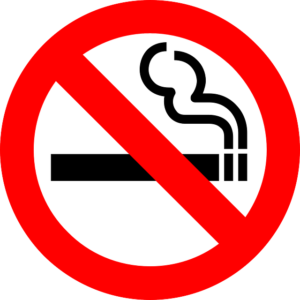
Prevention goes beyond healthcare. It plays a role in schools, in neighborhoods and in the workplace. A successful approach looks not only at individual behavior, but also at the environment in which people live and work. Think smoke-free zones, healthy meals in schools and a work environment that encourages vitality.
Prevention takes many forms and addresses different target groups and situations. We distinguish four perspectives:
1. For whom.
2. When?
3. What approach?
From behavioral change (such as encouraging exercise) to structural adjustments (such as making workplaces safer).
4. How?
Prevention can be implemented individually (e.g., through a doctor) or collectively, such as through municipal health programs or company initiatives.
With this broad approach, it becomes clear that prevention reaches far beyond health care - it touches every layer of our society.
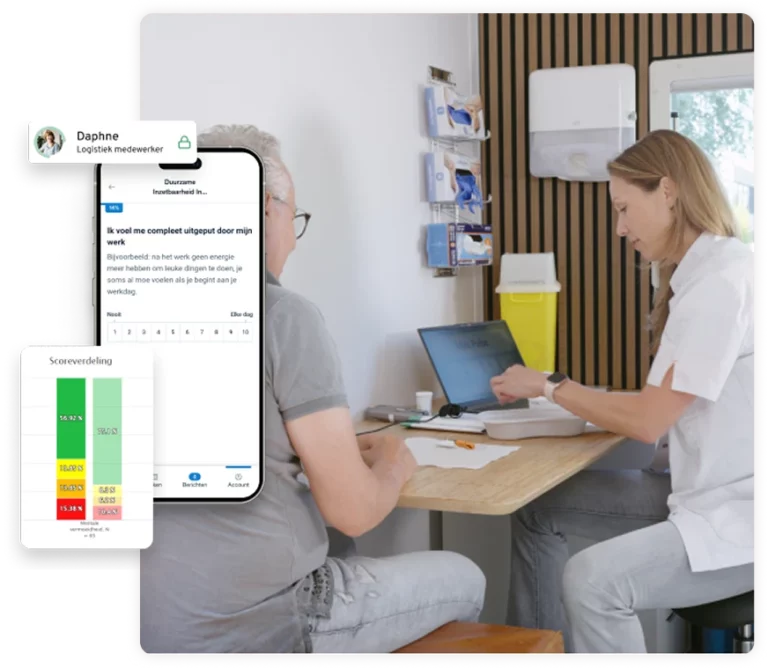
Preventive measures make it possible to identify and address health risks early. Consider stress management, promoting exercise and creating a healthy work environment. By employing periodic medical examinations (PMOs), for example, both employers and employees gain valuable insights into their health. This allows for timely intervention, which helps prevent downtime.
Want to boost your employees' vitality? Here are five practical preventive actions you can apply right away:
1. Conduct regular health checks
Arrange periodic medical examinations (PMOs) to identify health risks in a timely manner. This not only shows that you care about your employees, but also helps to reduce absenteeism due to illness.
2. Encourage exercise in the workplace
Introduce initiatives such as lunch walks, office gyms, or active work breaks. This promotes physical health, reduces stress, and increases productivity.
3. Actively incorporate work stress prevention into your policy
Offer training courses in stress and time management. Create an open work culture in which employees feel heard and supported. This prevents burnout and increases job satisfaction.
4. Make healthy choices easy
Offer healthy options in the cafeteria and during meetings. Think fresh snacks, water, and nutritious lunch options. Small changes can make a big difference.
5. Encourage a healthy work-life balance
Focus on flexibility: consider options such as working from home, flexible working hours, and respecting free time. A good balance contributes directly to sustainable employability.
Prevention goes beyond preventing illness. It also contributes to job satisfaction, engagement and loyalty. Employees who feel supported in their well-being are not only healthier, but also more motivated and connected to their organization.
An organization that invests in prevention, invests in a positive work culture and a future-proof personnel policy.
At Simple Check, we believe in the power of prevention for a healthy, vital workplace. We support organizations with preventive medical examinations (PMOs) aimed at early identification and addressing health risks. This is how we help companies strengthen sustainable employability and prevent long-term absenteeism.
Would you like to know what we can do for your organization?
Contact us and discover how investing in prevention pays off—for your employees and your organization.

As CEO of Simple Check, I am committed to helping organizations and employees work in a vital, healthy, and enjoyable way every day.
Working with Simple Check means clear insight into what is really going on within your organization.
We help companies get a handle on work stress, vitality, health and engagement so that employees stay healthier, more energetic and productive.

A Preventive Medical Examination (PMO) is required by law, but its true value lies in what you do with the results.…
Our consultants are ready to discover together how to create a healthy, safe and vital work environment in your company.
Request a quote Lisa Meddens
CEO of Simple Check
Lisa Meddens
CEO of Simple Check