



- We get a 9.2 from more than 3,000 reviews
- Digital dashboard with real-time insights
- ISO certified
Menu

Understanding the impact of prevention on absenteeism, job satisfaction and productivity
A manual based on proven methods such as TKI, coaching and mediation.

Learn how to effectively use the Sustainable Employability Index to strengthen your organization.


Exercise is good for your motor skills and memory. It helps you stay fit. Exercise slows down the aging process; it is good for breathing, blood circulation, muscles and bones, it reduces the risk of bone fractures, it has a positive influence on mental health, the balance system remains better intact, you remain self-reliant for longer and it also seems to have a positive influence on the prevention/reduction of dementia and Alzheimer's disease. Reason enough to pay attention to this.

5-step plan for effective policy, including checklist.
"*" indicates required fields
More than 1,700 companies went before you. It's that simple. Check.
We want to get older but not be old. A well-known phenomenon. Because feeling old often means that you notice things change in many areas; you tire faster, you become forgetful, you are less flexible and you have quicker musculoskeletal complaints. And we could go on and on. When you read this, it is clear that it is important to pay attention to this in time!
However, it is important to realize that exercising at an older age also carries risks. For example, there is a greater chance of injuries to bones, tendons, and muscles, and injuries take longer to heal. It is therefore important to exercise under expert supervision. A sports instructor ensures proper training and support, which helps prevent injuries. More information on this can be found on the website of the Ministry of Health, Welfare, and Sport.
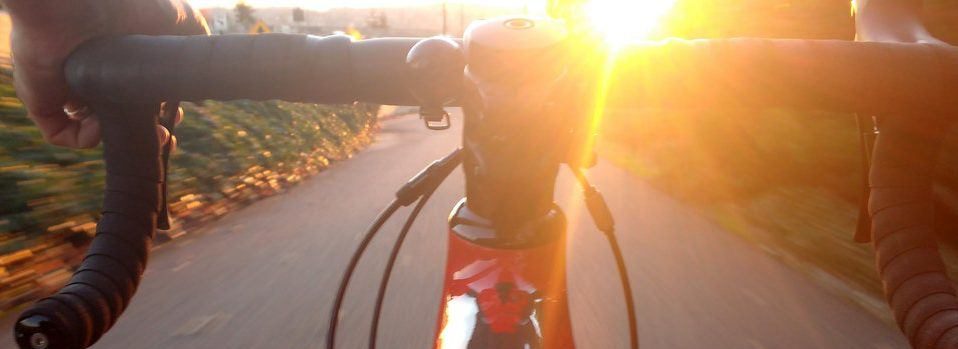
In August 2017, the Dutch exercise standard was renewed. People over 55 are advised to exercise at least 30 minutes of moderate intensity exercise at least 5 days a week. This sounds harder than it is. Walking, cycling, gardening, shopping, vacuuming; anything that gets your heart rate up more than sitting is already moderately intensive. In addition, you may also divide those 30 minutes into 3 10-minute blocks. In addition to this exercise standard, there is also a strength standard: strength training 2 times a week to reduce muscle loss and osteoporosis.
To enjoy sports to the fullest, a few points are important:
Cycling, fitness, swimming, tennis, walking, running and also yoga are very appropriate for and among the elderly. This is then especially true among 55- to 65-year-olds. Among 65- to 79-year-olds, both gym and golf are very popular.
Would you like more information about why exercise is so good for your motor skills and memory? Watch the clear explanation below by Prof. Dr. Erik Scherder, Dutch professor of neuropsychology affiliated with VU University Amsterdam.
Do our Body Proportions Health Check to find out about your body proportions!

As CEO of Simple Check, I am committed to helping organizations and employees work in a vital, healthy, and enjoyable way every day.
Working with Simple Check means clear insight into what is really going on within your organization.
We help companies get a handle on work stress, vitality, health and engagement so that employees stay healthier, more energetic and productive.
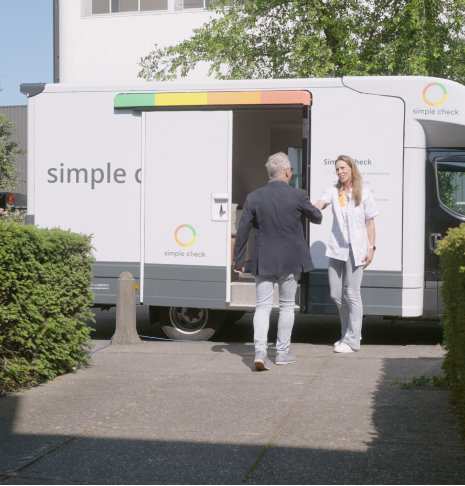

A Preventive Medical Examination (PMO) is required by law, but its true value lies in what you do with the results.…
Our consultants are ready to discover together how to create a healthy, safe and vital work environment in your company.
Request a quote Lisa Meddens
CEO of Simple Check
Lisa Meddens
CEO of Simple Check