




- We get a 9.2 from more than 3,000 reviews
- Digital dashboard with real-time insights
- ISO certified
Menu

Understanding the impact of prevention on absenteeism, job satisfaction and productivity
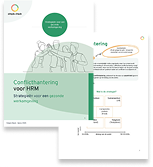
A manual based on proven methods such as TKI, coaching and mediation.

Learn how to effectively use the Sustainable Employability Index to strengthen your organization.


Absenteeism is an unavoidable challenge for organizations, with potential costs reaching hundreds of dollars per day per employee. Recognizing signs, such as frequent short absences, is essential to prevent long-term absenteeism. Absenteeism often has causes such as work stress or a work-life imbalance. A good absenteeism policy, focused on prevention, supports both the mental and physical well-being of employees and minimizes risks of absenteeism.

5-step plan for effective policy, including checklist.
"*" indicates required fields
More than 1,700 companies went before you. It's that simple. Check.
Absenteeism occurs when an employee calls in sick and is temporarily unable to work. This can range from a short period to a long-term absence. Short-term absences are common, as everyone can be sick from time to time. However, when an employee reports sick frequently for short periods, it is important to make this negotiable. In fact, repeated short absences can be a precursor to long-term absences.
Long-term absence occurs when an employee is absent due to illness for more than six weeks. In such cases, the company doctor is called in to assess the situation and provide appropriate advice on the employee's approach and possible reintegration.
Absenteeism can have several causes. One common reason is work stress. If work stress causes burnout in the employee, absenteeism lasts an average of 9 months. This has great impact for both the employee and the company. To prevent this, it is important to increase the employee's energy resources.
Would you like to learn more about energy sources, enthusiasm, and work stressors? Read our white paper on work stress.
It is essential for organizations to prevent long-term absenteeism as much as possible. This is because a sick employee can quickly cost the organization 2.5 times the daily wage, with absenteeism costs ranging from €250 to €400 per day. These costs include not only direct expenses, such as mandatory continued pay and costs for health and safety services, but also indirect costs, including the use of replacement staff and loss of productivity or services.
The exact costs of absenteeism vary per sector and are influenced by factors such as the employee's salary, the nature of the illness, and the duration of the absence. To get an indication of these costs, you can use the absenteeism costs tool, based on figures from TNO and CBS: https://www.verzuimkosten.nl/.
Keep in mind, however, that the results are only an estimate and actual costs may vary in practice.
Early recognition of signs that indicate a risk of long-term absenteeism is crucial to preventing dropout. These indicators include both physical and mental complaints and work-related factors. The use of tools such as the PSA questionnaire (Psychosocial Workload) can help organizations to identify these signs preventively.
Aneffective absence policyis essential for every organization, as it provides a clear and structured approach to dealing with absenteeism due to illness. It is not just a matter of establishing rules and procedures, but also of creating a culture in which both prevention and support are central.
It is essential to takepreventive measuresthat promote both the mental and physical well-being of employees. This includes regular health checks and vitality programs, but also attention to psychosocial workload (PSW).
An important aspect of a preventive absence policy is early recognition and addressing psychosocial workload (PSA). PSA includes factors such as workload, undesirable behavior and stress, which have a direct impact on employee well-being. By deploying tools such as the PSA questionnaire, organizations can accurately identify these risks and take targeted actions. Consider adjusting work processes, improving social support and reducing work pressure. Reducing PSA leads to a healthier work culture and lowers the risk of long-term absenteeism.
Vitality programs play a key role in promoting the physical, mental and emotional well-being of employees. These programs can include sports and exercise sessions, nutrition workshops and coaching on stress management and personal development. By supporting employees in an active and healthy lifestyle, both inside and outside the workplace, an organization increases engagement and productivity. Vitality programs are effective in preventing absenteeism while strengthening the sustainable employability of employees.
Occupational health and safety services offer specialized knowledge and support in preventing absenteeism. They help organizations to identify risk factors in time and offer advice on working conditions, workload and reintegration processes. By engaging a health & safety service, employers gain professional insight into complex situations, such as medical complaints and recovery processes. In addition, health and safety services help establish sustainable policies and protocols that effectively manage absenteeism and keep employees healthy and productive.
Tools such as the PSA questionnaire and the use of occupational health and safety services provide insight into work-related risks and help organizations take preventive measures. Vitality programs, health checks and a supportive work culture increase employee resilience and engagement. By calculating absenteeism costs and implementing targeted interventions, companies can not only save costs but also strengthen the sustainable employability of their employees. By recognizing these indicators early and using tools such as the PSA questionnaire, organizations can take preventive measures. This not only helps prevent long-term absenteeism, but also strengthens employee well-being and productivity.
By working with Simple Check, a company demonstrably invests in the well-being and development of its employees. Are you curious about the possibilities for your company? Feel freeto contactus, without obligation!

As CEO of Simple Check, I am committed to helping organizations and employees work in a vital, healthy, and enjoyable way every day.
Working with Simple Check means clear insight into what is really going on within your organization.
We help companies get a handle on work stress, vitality, health and engagement so that employees stay healthier, more energetic and productive.

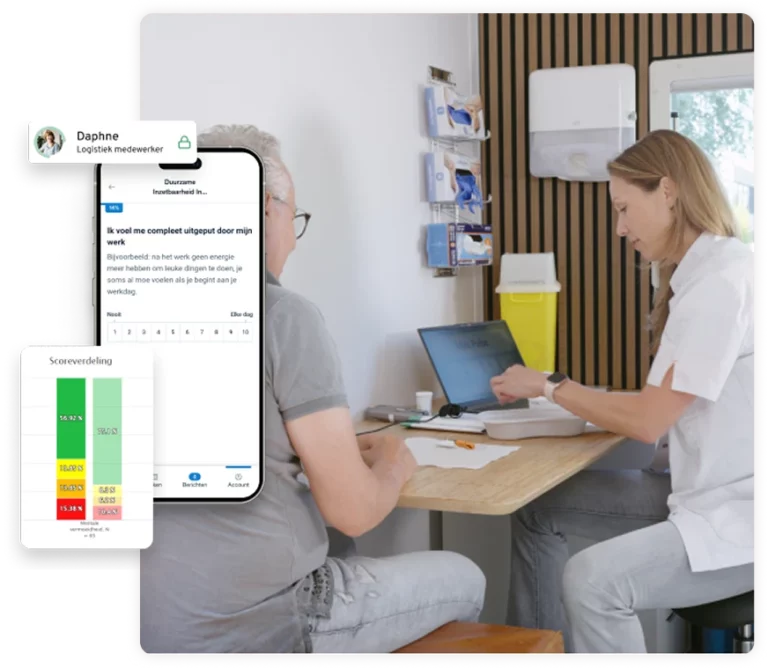
A Preventive Medical Examination (PMO) is required by law, but its true value lies in what you do with the results.…
Our consultants are ready to discover together how to create a healthy, safe and vital work environment in your company.
Request a quote Lisa Meddens
CEO of Simple Check
Lisa Meddens
CEO of Simple Check