



- Wij krijgen een 9,2 uit meer dan 3.000 reviews
- Digitaal dashboard met real-time inzichten
- ISO-gecertificeerd
Menu

Inzicht in de impact van preventie op verzuim, werkplezier en productiviteit
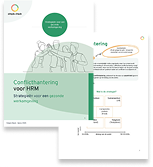
Een handleiding baseerd op bewezen methoden zoals TKI, coaching en mediation.

Leer hoe je de Duurzame Inzetbaarheidsindex effectief inzet om jouw organisatie te versterken.


Inzicht in wat jou drijft is belangrijk voor jezelf, om richting te kunnen geven aan jouw loopbaan en leven. Bovendien stelt het jou in staat om in de communicatie met anderen een verdieping aan te brengen. Respect kunnen tonen (en vragen!) voor elkaars drijfveren is een belangrijke sleutel tot wederzijds bevredigende relaties.


5-stappenplan voor effectief beleid incl. checklist.
"*" geeft vereiste velden aan
Meer dan 1.700 bedrijven gingen je voor. Zo simpel is het. Check.
Ieder van ons kijkt naar de omgeving door de bril van zijn/haar eigen behoeften en waarden. Of we het ons nu realiseren of niet, we worden van binnenuit gedreven om aan deze persoonlijke behoeften te voldoen. Onze drijfveren bepalen ons levensdoel, de richting die we kiezen en zetten ons aan tot actie. Het inzicht geeft je een objectieve mogelijkheid om grip te krijgen op hetgeen ons van binnen écht motiveert.
De Zwitserse gedragswetenschapper Eduard Spranger heeft na jarenlange observaties een zestal essentiële waarden geclassificeerd;
Deze zes waarden bepalen voor een groot deel het waarom van ons handelen. Je gaat tot handelen over nadat je bepaald hebt of het waard is om tot handelen over te gaan. De twee of drie die het sterkst bij je leven, zullen je tot actie aanzetten.
Als je leert (her)kennen wat je belangrijk vindt en dit weet te voeden, dan lukt het je om goed voor jezelf te zorgen. Ook op momenten wanneer het niet zo goed met je gaat. (Denk aan een stressvolle periode.) Een belangrijk onderdeel daarbij is te herkennen dat wanneer één drijfveer meer aandacht en ruimte krijgt dit ongemerkt ten kosten gaat van je andere waarden. Je leert het verschil in het krijgen van energie op korte én energie op lange termijn.
Drijfveren werken als ‘communicerende vaten’. Het één gaat altijd ten kosten van het andere. Het is dan ook ‘logisch’ dat je makkelijk energie kunt verliezen met iets waarvan je ‘denkt’ dat het leuk en fijn is om te doen.
Het inzicht geeft belangrijke informatie bij het maken van belangrijke keuzes in jouw leven. Zoals het kiezen van de baan die bij je past. Wanneer onze baan een verlengstuk is van wie en wat we zijn, dan is motivatie van buitenaf niet nodig. En is er voldoende reden om ‘s ochtends op te staan en met plezier aan de slag te gaan. De omgeving biedt dan de waarden die nodig zijn om het eigen potentieel maximaal te ontwikkelen.
Stel:
Wanneer we iemands drijfveren leren kennen, kunnen we ons in communicatie rechtstreeks richten op de behoeften en waarden van die persoon. En als we de wereld door hun ogen kunnen zien en vanuit hun standpunt met hen kunnen communiceren, neemt de voldoening en het plezier in het contact toe.
Begrip voor en inzet van elkaars waarden en motivaties geeft meer plezier en effectiviteit binnen een team. We weten ondertussen dat mensen gelukkiger worden als ze een functie hebben waarin een beroep wordt gedaan op hun talenten.
Echter, voor de langere termijn is er ook altijd aansluiting nodig met de persoonlijke drijfveer. Hierdoor blijft de medewerker ook op lange termijn intrinsiek gemotiveerd. Inzicht in je waarden en motivaties kan je helpen om je leven zo vorm te geven dat je jouw passie erin kwijt kunt. Het is dus interessant voor jezelf en je persoonlijk ontwikkeling, maar zeker ook voor je directe omgeving en/of collega’s.
Simple Check ; meer dan een Preventief Medisch Onderzoek!
Bron: MDI handboek Gedrag en Drijfveren
Eduard Spranger Zes drijfveren
Inzicht in wat je personeel beweegt, is een van de onderdelen van duurzaam HR-beleid. Ben jij HR-professional en wil je meer informatie ontvangen, over het verhogen van de duurzame inzetbaarheid van personeel?

Als CEO van Simple Check zet ik mij dagelijks in om organisaties en medewerkers te helpen vitaal, gezond en met plezier te werken.
Samenwerken met Simple Check betekent helder inzicht in wat er écht speelt binnen je organisatie.
Wij helpen bedrijven grip te krijgen op werkstress, vitaliteit, gezondheid en betrokkenheid zodat medewerkers gezonder, energieker en productiever blijven.
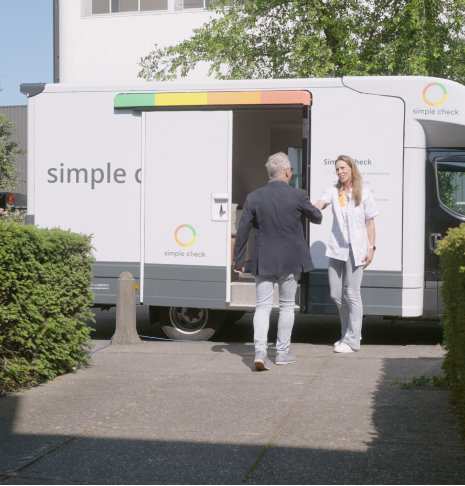
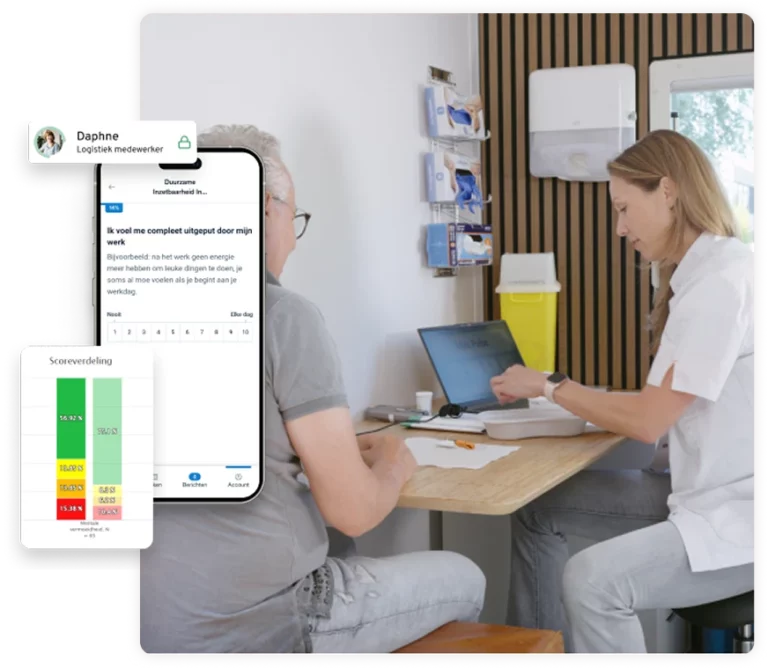
Een Preventief Medisch Onderzoek (PMO) is wettelijk verplicht, maar de echte waarde zit in wat je ermee doet.…
Onze adviseurs staan klaar om samen te ontdekken hoe we in jouw bedrijf een gezonde, veilige en vitale werkomgeving kunnen creëren.
Vraag een offerte aan Lisa Meddens
CEO van Simple Check
Lisa Meddens
CEO van Simple Check