





- We get a 9.2 from more than 3,000 reviews
- Digital dashboard with real-time insights
- ISO certified
Menu

Understanding the impact of prevention on absenteeism, job satisfaction and productivity
A manual based on proven methods such as TKI, coaching and mediation.

Learn how to effectively use the Sustainable Employability Index to strengthen your organization.


Differences of opinion and conflict are everywhere. Even at work. There is nothing wrong with that. But once a conflict escalates into bullying and ruining the mutual atmosphere, it is important to respond properly. Did you know that one in six employees is bullied, discriminated against or harassed at work? Combined with a high workload, undesirable behavior doubles the risk of burnout symptoms.


5-step plan for effective policy, including checklist.
"*" indicates required fields
More than 1,700 companies went before you. It's that simple. Check.
This is estimated to cause an average of seven additional days of absenteeism per victim each year. That means 1.7 billion euros in wage payment for employers, the TNO calculated. We are curious: how much does your company spend on average? Would you take preventive action? Apart from the financial benefits, this also has a valuable impact on the sense of safety and the pleasure with which your colleagues are at work.
A conflict occurs when two or more people have different desires or opinions. This can be caused by such things as differences in background, miscommunication, disagreements or misperformance. Where people work together, conflict is inevitable. After all, people have their own personalities and their own qualities and imperfections. And this can sometimes clash.
Broadly speaking, two different types of conflict can be distinguished in the workplace:
These two types of conflict can be interrelated and overlap. Task-related conflicts in particular can have many positive effects for the organization and those involved. Provided they are resolved effectively, they can lead to growth, innovation, and improved group decision-making. The risk of negative effects is much greater in the case of social-emotional conflicts. This applies not only to the individuals involved, but also to the quality of group decisions and innovation. It is therefore always important to pay attention to both sides of a conflict.
What is especially important when dealing with conflict in the workplace is communication. The longer you wait to resolve a conflict, the more difficult it will become. Emotions get the upper hand, others start to interfere (influence), positions and beliefs become more firm and it becomes increasingly difficult to reach a solution or compromise. Check out our Handling and Feedback Workshop!
Open communication ensures that the failure can be addressed at the core and long-term solutions found. So it is important to discuss the problem. This does require certain skills from all parties and team members involved.
"Increasing knowledge and skills leads to reducing the feeling of frustration and helps tremendously in adequately articulating emotion. What matters most is learning intervention techniques. This helps in maintaining open and clear communication.
And to give direction to a conversation, a course of action, a thought, a feeling and the like. Talking and the use of (non) verbal techniques is the main means of intervention. Hence, all our colleagues receive training and guidance in giving and receiving feedback and in conflict management. These subjects are inseparable. " - says Ellen Rentenaar, coach, trainer and mediator at Simple Check.
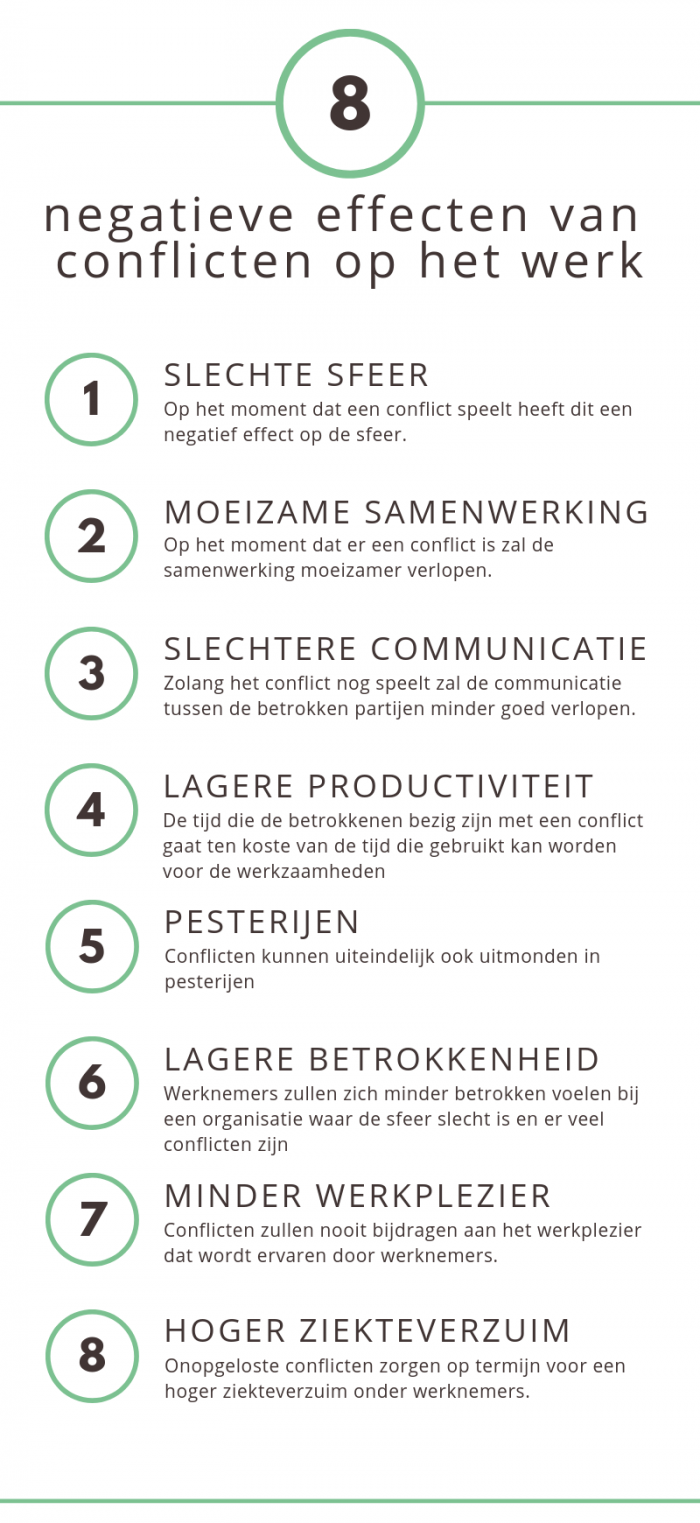
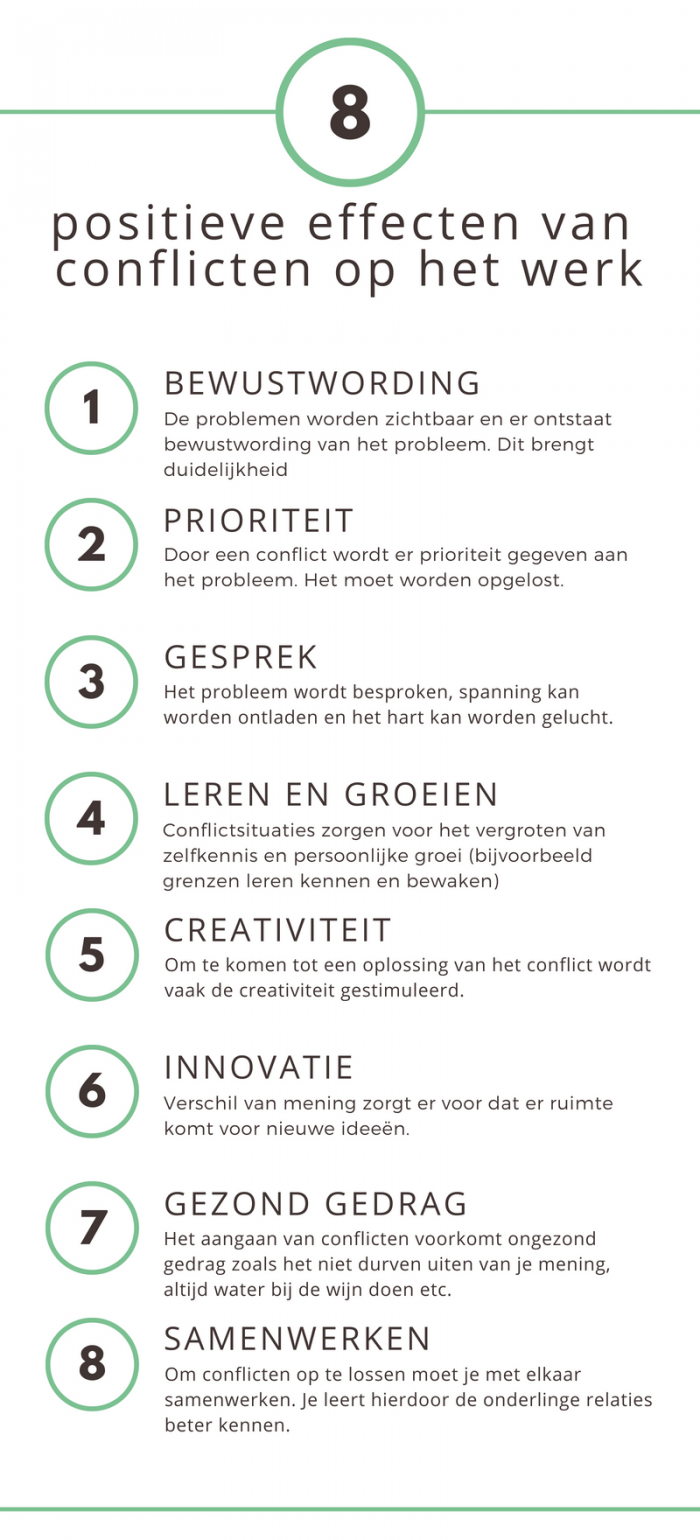
If the will is there, the solution to a conflict can always be found. It is important to realize that underneath (almost) every conflict lies the opportunity to learn from it. In fact, in every disagreement there is potential for growth and development. Opposing ideas and opinions stimulate change much more than if everyone always agrees. Conflict is never pleasant.
But a team that is willing to act proactively and has the skills to reach solutions is more likely to achieve the positive effects of conflict. This will save employees a lot of frustration and/or stress. It also increases productivity, stimulates creativity and ensures smooth cooperation. It is therefore important that your colleagues are trained in this.
Would you like to know more? Then feel free to contact our specialist in this field Ellen Rentenaar. And be sure to follow our LinkedIn and Facebook page for more articles and inspiration.

As CEO of Simple Check, I am committed to helping organizations and employees work in a vital, healthy, and enjoyable way every day.
Working with Simple Check means clear insight into what is really going on within your organization.
We help companies get a handle on work stress, vitality, health and engagement so that employees stay healthier, more energetic and productive.

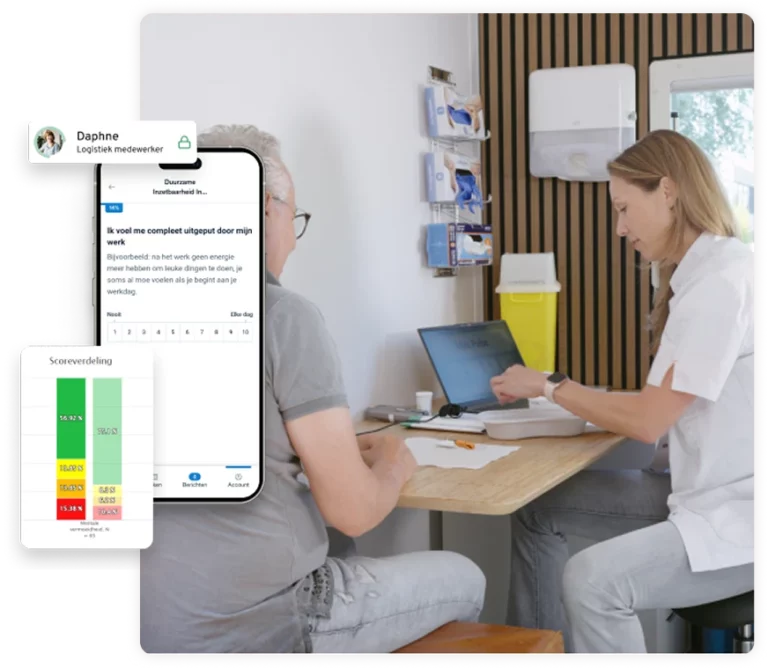
A Preventive Medical Examination (PMO) is required by law, but its true value lies in what you do with the results.…
Our consultants are ready to discover together how to create a healthy, safe and vital work environment in your company.
Request a quote Lisa Meddens
CEO of Simple Check
Lisa Meddens
CEO of Simple Check