



- We get a 9.2 from more than 3,000 reviews
- Digital dashboard with real-time insights
- ISO certified
Menu

Understanding the impact of prevention on absenteeism, job satisfaction and productivity
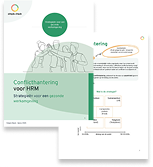
A manual based on proven methods such as TKI, coaching and mediation.

Learn how to effectively use the Sustainable Employability Index to strengthen your organization.


In the modern world, stress and overstimulation often seem inevitable. The pressure of work, social obligations and daily challenges can sometimes overwhelm us, and if this stress persists for too long, it can even lead to burnout. However, coping with stress is a skill you can develop and strengthen. In our article, we share seven practical tips to help reduce stress, set boundaries and restore your energy levels. Learn why acceptance is the first step to recovery and discover ways to find more peace and balance daily.


5-step plan for effective policy, including checklist.
"*" indicates required fields
More than 1,700 companies went before you. It's that simple. Check.
Nowadays, stress seems almost inevitable. Whether it is due to work pressure, obligations in personal life, or simply the hectic pace of modern life, we all experience moments of tension from time to time. But prolonged stress can lead to burnout, which is very stressful both mentally and physically. The good news is that there are ways to reduce stress and better manage tension.
By addressing stress symptoms as early as possible, you can get ahead of burnout. But what if by now it is already too much and you have burnout or are close to it? Fortunately, there are many different options for dealing with your stress symptoms. For example, online on the site of MIND you can find a lot of information aimed at improving mental health. They provide advice and support to all people with (incipient) psychological complaints.
But it often starts with recognizing and acknowledging the symptoms. For example, we have written an article that clearly describes all the preliminary stages of burnout. We have also listed some practical tips for you that you can always pay attention to anyway. This always helps to prevent complaints.
Here are 7 practical tips that can help you manage stress and tension.
The first step in dealing with stress or burnout is acceptance. Many people find it difficult to admit that they are suffering from stress, tension or even exhaustion. This may stem from a sense of shame or the idea that you "just have to push through." But by acknowledging that you are experiencing stress, you give yourself permission to do something about the situation and take the necessary steps for recovery.
Tip: Take a moment to reflect on your feelings and take them seriously. For example, write down what you are feeling, or tell someone you trust what you are going through. This can help you better understand what is going on and provides a basis for working on recovery.
One of the biggest causes of stress is being overburdened by too many commitments. Often we say "yes" to things we don't really want or can't do, for fear of disappointment or conflict. By setting clear boundaries and saying "no" occasionally, you create space for yourself to catch your breath and focus on what really matters to you.
Important here is also to consciously choose what you ultimately say 'yes' and 'no' to. Are these choices consistent with your drives, or do you say 'no' to things that give you energy but for which you no longer have time? Finding the right answers to these questions can be very enlightening. If you can't figure it out yourself, an appointment with a coach can provide insight.
Tip: Practice saying "no" to small things and slowly work on expanding your comfort zone. Indicate without guilt that you can't do something. Want more tips on how to learn to say 'no' better? Then read our article about it!
Exercise is one of the most effective ways to reduce stress. Exercise helps to break down the stress hormone cortisol and stimulate the production of endorphins, which make us feel happier and calmer. You don't have to exercise intensely every day; a short walk in nature, yoga or even a few minutes of stretching can do wonders for your mood.
Tip: Choose something you enjoy and make it achievable for yourself. Try to exercise at least 10-15 minutes a day, and build this up slowly if you can.
Breathing exercises are a simple, quick way to calm yourself during times of stress. By focusing on your breathing, you bring your body and mind into the here and now. This not only helps you feel calmer, but also promotes a lower heart rate and better focus.
Tip: Try the 4-7-8 breathing technique: inhale for 4 seconds, hold for 7 seconds, and exhale slowly for 8 seconds. Repeat several times until you feel more relaxed. Want to learn more about the power of breathing? Then check this out!
Often we fill our days from beginning to end with activities and obligations. It can help to consciously schedule time when you don't have to do anything at all. These moments give you space to unwind, clear your thoughts, or simply relax without distractions.
Tip: Set aside 30 minutes of "do nothing" time in your calendar at least once a week. Use this time to daydream, read a book, or just sit quietly on the couch, for example. Moments like this not only provide much-needed rest and balance, it also often gives you room to get a little more creative. And note: this is often very difficult to actually do. We are so used to being "useful" that, especially in the beginning, it takes a lot of getting used to just doing "nothing.
Sleep is essential for both physical and mental recovery. Chronic sleep deprivation increases your stress levels and makes you more susceptible to burnout symptoms. Try to maintain a regular sleep rhythm and provide a sleep environment that is restful.
Tip: Avoid screen time an hour before bedtime and try a hot shower or cup of herbal tea to help you fall asleep better. Also consider creating an evening routine that helps to end the day peacefully.
Stress and tension decrease when we can talk about it with someone we trust. Sharing your worries, feelings and experiences with friends, family, or a professional coach or therapist can provide great relief. Social support helps you experience a sense of belonging, making you feel less alone in your stress.
Tip: Make time for real conversations, not just via social media. A good conversation face-to-face or over the phone provides more depth and engagement. This creates a sense of connection and security and gives more satisfaction.
Satisfaction can definitely act as a buffer against stress and help you cope better with challenges. But it is only one aspect of dealing with stress. To stay healthy in the long term, it is important to combine satisfaction with other stress-reducing habits, such as regular recovery, setting boundaries, and spending enough time on relaxation and self-care.
Rest alone is not enough to recover from burnout. You must also actively make changes in your life. Make a plan to make step-by-step changes that will help you avoid falling into the same traps again.
Feeling stuck and experiencing too much stress? Contact your family doctor or company doctor. They can determine if you have burnout and make a recovery plan. They can also refer you to psychologists and specialized coaches for further support.
Are you an HR professional and would you like to receive more information about increasing the sustainable employability of staff? Recognize both physical and psychological complaints in time and seize the opportunity to respond appropriately.
Quickly download our 'Simple Checklist' and start setting up sustainable HR policies!
The sooner you identify that you are experiencing too much stress, and the sooner you deal with it, the better and faster your recovery will be. Too often we ignore the signals from our bodies and minds, hoping that the stress will go away on its own or that we will get through it. But symptoms such as fatigue, irritability, difficulty concentrating and physical symptoms are all warning signs. They indicate an imbalance and are signals for how things might develop in the future if nothing changes.
By paying timely attention to these warning signs, you can avoid a downward spiral of stress and exhaustion. Think of these symptoms as indicators, not things to ignore. Your body is trying to tell you something, and the sooner you respond, the more effective your steps toward recovery will be.
Want to learn more about how to recognize the early signs and reduce your risk of burnout? In our blog post "Recognize Burnout," we discuss the early symptoms of burnout and offer insight on how to take timely action. By taking action in time, you give yourself the best chance for a healthy and balanced future.
Source: MIND

As CEO of Simple Check, I am committed to helping organizations and employees work in a vital, healthy, and enjoyable way every day.
Working with Simple Check means clear insight into what is really going on within your organization.
We help companies get a handle on work stress, vitality, health and engagement so that employees stay healthier, more energetic and productive.

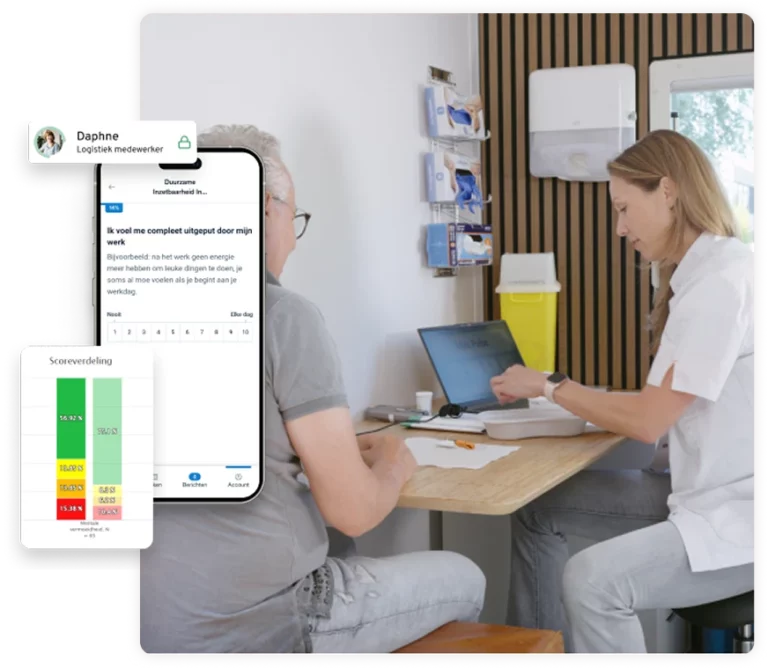
A Preventive Medical Examination (PMO) is required by law, but its true value lies in what you do with the results.…
Our consultants are ready to discover together how to create a healthy, safe and vital work environment in your company.
Request a quote Lisa Meddens
CEO of Simple Check
Lisa Meddens
CEO of Simple Check