




- Wij krijgen een 9,2 uit meer dan 3.000 reviews
- Digitaal dashboard met real-time inzichten
- ISO-gecertificeerd
Menu

Inzicht in de impact van preventie op verzuim, werkplezier en productiviteit
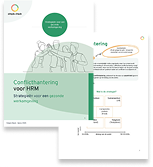
Een handleiding baseerd op bewezen methoden zoals TKI, coaching en mediation.

Leer hoe je de Duurzame Inzetbaarheidsindex effectief inzet om jouw organisatie te versterken.


Heb je hard je best gedaan om af te vallen, maar komen de kilo’s er net zo snel weer bij? Je bent niet de enige. Meer dan de helft van de Nederlandse volwassenen heeft overgewicht (RIVM), en het beruchte jojo-effect – snel afvallen en vervolgens weer aankomen – maakt het extra lastig om blijvend resultaat te behalen. Dit patroon is niet alleen frustrerend, maar kan ook schadelijk zijn voor je gezondheid (Brodie Meijer et al., 2006). Hoe doorbreek je die vicieuze cirkel? In dit artikel leggen we uit waarom crashdiëten vaak averechts werken, wat de risico’s zijn van het jojo-effect, en – vooral – hoe je op een gezonde en duurzame manier wél succesvol kunt afvallen.


5-stappenplan voor effectief beleid incl. checklist.
"*" geeft vereiste velden aan
Meer dan 1.700 bedrijven gingen je voor. Zo simpel is het. Check.
Wanneer je een streng dieet volgt – vaak een crashdieet genoemd – loop je een verhoogd risico op het beruchte jojo-effect (Nijs, 2022). Een crashdieet is bedoeld om in korte tijd veel gewicht te verliezen, maar zoals de naam al aangeeft, is dit geen duurzame oplossing.
Dergelijke diëten zijn zowel mentaal als fysiek zwaar vol te houden. Bovendien kunnen ze je stofwisseling negatief beïnvloeden. Zo blijkt dat de ruststofwisseling kan dalen tijdens of na een crashdieet, waardoor je in rust minder calorieën verbrandt (Van Diest, 2022). Het gevolg? Zodra je weer “normaal” gaat eten, kom je sneller aan dan voorheen.
Dit maakt crashdiëten extra frustrerend en ineffectief als het doel is om langdurig een gezond gewicht te behouden.
Wanneer je te maken krijgt met het jojo-effect, wisselen gewichtsverlies en -toename elkaar in korte tijd af. Dit kost niet alleen veel energie, maar kan ook je hormoonbalans verstoren (van Diest, 2022).
Een belangrijk hormoon in dit proces is leptine. Leptine geeft signalen aan de hersenen door om aan te geven dat je voldoende hebt gegeten. Op basis van deze signalen reguleert je lichaam het hongergevoel, het energieniveau en de vetverbranding (Levarne, 2022).
Bij mensen met (langdurig) overgewicht is het leptineniveau in het lichaam vaak chronisch verhoogd. Daardoor worden de hersenen minder gevoelig voor de verzadigingssignalen die leptine geeft – een fenomeen dat ook wel leptineresistentie wordt genoemd.
Het gevolg? Je voelt minder snel dat je vol zit, hebt vaker honger, slaat makkelijker vet op en ervaart minder energie (van Diest, 2022). Dit alles maakt het nog moeilijker om blijvend gewicht te verliezen.
Er bestaan talloze soorten diëten – zoals koolhydraatarme, vetarme of caloriearme diëten – die vaak gericht zijn op het beperken van bepaalde voedingsstoffen. Hoewel dit op korte termijn tot gewichtsverlies kan leiden, schuilt er een risico in deze eenzijdige aanpak: een tekort aan essentiële vitamines en mineralen.
Voor gezond en duurzaam gewichtsverlies is een gebalanceerd eetpatroon van groot belang. Je lichaam heeft namelijk een breed scala aan voedingsstoffen nodig om goed te functioneren. Zo kan een koolhydraatarm dieet leiden tot een tekort aan vezels, vitamines en jodium, terwijl een vetarm dieet het risico met zich meebrengt op tekorten aan de vetoplosbare vitamines A, E en K (Van Geest, 2022).
Om deze tekorten te voorkomen, is het belangrijk om – ook binnen een dieet – voldoende variatie aan te brengen in je voeding.
Bijvoorbeeld:
Kortom: ongeacht welk dieet je volgt, blijf streven naar variatie en voeding met een hoge kwaliteit. Zo ondersteun je je gezondheid en verklein je de kans op tekorten.
Een veelvoorkomend nadeel van crashdiëten is het verlies van spiermassa. Door het grote tekort aan voedingsstoffen tijdens zo’n dieet begint het lichaam eiwitten uit gezond spierweefsel af te breken. Deze eiwitten worden onder andere gebruikt om plasma-eiwitten te vormen, die essentieel zijn voor het behoud van onder andere de bloeddruk en bloedwaarden (van Diest, 2022).
Dit proces ondermijnt je spierkracht én je stofwisseling. Spieren verbranden namelijk ook in rust calorieën – hoe meer spiermassa je hebt, hoe hoger je ruststofwisseling.
Om spierverlies te voorkomen, is het belangrijk om geleidelijk af te vallen en extreme calorietekorten te vermijden. Combineer daarnaast cardiotraining met krachttraining. Krachttraining helpt je om spiermassa te behouden of zelfs op te bouwen tijdens het afvallen, wat je energieverbruik ondersteunt en je lichaam sterker en gezonder maakt.
Na het lezen over de risico’s van crashdiëten vraag je je misschien af: hoe pak ik het dan wél goed aan?
De sleutel tot gezond afvallen én op gewicht blijven ligt in het aanleren en volhouden van gezonde gewoonten, zowel op het gebied van voeding als beweging.
Veel mensen die na een dieet terugvallen naar hun oude gewicht, richten zich slechts op één van deze aspecten. Maar duurzame verandering vraagt om een combinatie van gezonde eetgewoonten en voldoende lichaamsbeweging, in lijn met de beweegrichtlijnen.
Gedragsverandering is hierin essentieel. Niet alleen tijdens het afvallen, maar vooral ook erna. Het helpt om jezelf realistische doelen te stellen en gewoonten op te bouwen die je op de lange termijn kunt volhouden. Denk bijvoorbeeld aan het dagelijks eten van voldoende groente, het beperken van toegevoegde suikers, of het structureel inplannen van beweegmomenten (Dombrowski et al., 2014).
Een goede manier om je afvalproces haalbaar en motiverend te maken, is het stellen van duidelijke en realistische doelen. Schrijf je doelen op, zodat je een concreet uitgangspunt hebt om op terug te vallen. Begin klein – bijvoorbeeld: 10.000 stappen per dag zetten of vier keer per week een gezonde lunch meenemen.
Zorg ervoor dat je doelen:
En vergeet niet: vier je successen. Elke behaald doel – hoe klein ook – is een stap in de goede richting.
Grote veranderingen beginnen vaak met kleine, praktische aanpassingen in je dagelijkse routines. Hier zijn enkele eenvoudige gewoontes die een groot verschil kunnen maken voor je gezondheid en gewicht:
Met deze kleine aanpassingen bouw je stap voor stap aan een gezondere leefstijl die op lange termijn vol te houden is.
Sommige tips uit dit artikel zijn eigenlijk kleine psychologische trucjes om je hersenen te helpen bij het maken van gezondere keuzes. Door op een slimme manier om te gaan met je omgeving en eetgewoonten, kun je onbewuste verleidingen verminderen en voorkom je dat je meer eet dan je eigenlijk nodig hebt.
Een paar voorbeelden:
Met dit soort kleine gedragsaanpassingen werk je samen met je brein in plaats van ertegenin. En dat maakt het makkelijker om gezonde keuzes vol te houden op de lange termijn.
Onthoud: afvallen is geen race tegen de klok. Door je lichaam de tijd te geven om op een gezonde manier te veranderen, vergroot je juist de kans op blijvend resultaat. Laat crashdiëten dus achter je en kies voor wat écht werkt: gebalanceerde voeding, voldoende beweging en kleine, slimme gewoontes die je op de lange termijn kunt volhouden.
Zo voelt de weg naar een gezond gewicht niet alleen prettiger, maar levert hij ook blijvend resultaat op. Geen frustrerend jojo-effect meer, maar een duurzame verandering waar je trots op kunt zijn. Op naar een gezondere, energiekere versie van jezelf!
Wil je ook aan de slag met duurzame inzetbaarheid binnen jouw bedrijf? Neem contact op met onze adviseurs en ontdek hoe onze flexibele, professionele aanpak aansluit op jouw organisatie.
Bij Simple Check staat de mens centraal – we helpen bedrijven én medewerkers vooruit met concrete, preventieve oplossingen voor een gezonde en toekomstbestendige werkomgeving.

Als CEO van Simple Check zet ik mij dagelijks in om organisaties en medewerkers te helpen vitaal, gezond en met plezier te werken.
Samenwerken met Simple Check betekent helder inzicht in wat er écht speelt binnen je organisatie.
Wij helpen bedrijven grip te krijgen op werkstress, vitaliteit, gezondheid en betrokkenheid zodat medewerkers gezonder, energieker en productiever blijven.
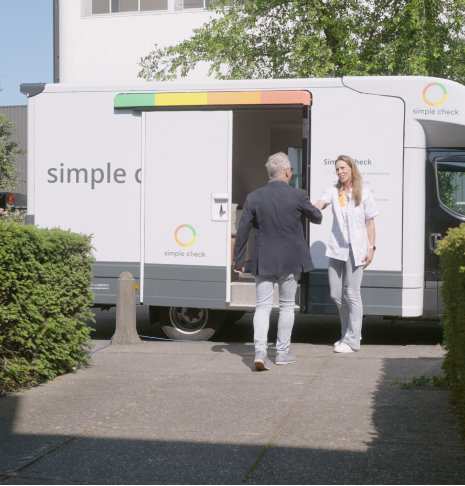

Een Preventief Medisch Onderzoek (PMO) is wettelijk verplicht, maar de echte waarde zit in wat je ermee doet.…
Onze adviseurs staan klaar om samen te ontdekken hoe we in jouw bedrijf een gezonde, veilige en vitale werkomgeving kunnen creëren.
Vraag een offerte aan Lisa Meddens
CEO van Simple Check
Lisa Meddens
CEO van Simple Check