


- Wij krijgen een 9,2 uit meer dan 3.000 reviews
- Digitaal dashboard met real-time inzichten
- ISO-gecertificeerd
Menu

Inzicht in de impact van preventie op verzuim, werkplezier en productiviteit
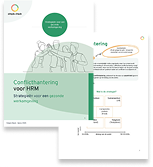
Een handleiding baseerd op bewezen methoden zoals TKI, coaching en mediation.

Leer hoe je de Duurzame Inzetbaarheidsindex effectief inzet om jouw organisatie te versterken.


In 2040 zal het aantal mensen met hart- en vaatziekten ten opzichte van 2011 met 65% zijn gestegen. Althans, als wij de voorspellingen moeten geloven. Een ongezonde levensstijl is hier een belangrijke oorzaak van. Ondanks dat Nederlanders gezonder leven, is er een grote groep die achterblijft en dat is zonde. Om de kans op een stijging van 65% van hart- en vaatziekten te verkleinen moeten we meer ontspannen en gezonder leven. Door een gezonde leefstijl krijg je meer energie en blijf je ook op lange termijn fit en gezond. Door een gezonde balans tussen inspanning en ontspanning te creëren, gezonder te eten en meer te bewegen zul je op korte termijn en, nog belangrijker, op langere termijn een gezond resultaat zien.


5-stappenplan voor effectief beleid incl. checklist.
"*" geeft vereiste velden aan
Meer dan 1.700 bedrijven gingen je voor. Zo simpel is het. Check.
Hart en vaatziekten zijn de belangrijkste doodsoorzaak in Nederland. We weten dat 1 op de 5 mannen en vrouwen in Nederland overlijden aan een hart of vaatziekte. Hart en vaatziekten staan centraal in de gezondheidszorg, en het is essentieel om te begrijpen hoe je ze kunt voorkomen. Recent onderzoek wijst uit dat preventie een sleutelrol speelt bij het behoud van een gezond cardiovasculair systeem. Hier zijn 9 krachtige strategieën om hart en vaatziekten te voorkomen:
Er zijn veel voedingsmiddelen die een positief effect hebben op jouw hart en bloedvaten. Enkele van de belangrijkste zijn:

Er zijn ook een aantal voedingsmiddelen die je hart kunnen schaden. Enkele van de belangrijkste zijn:
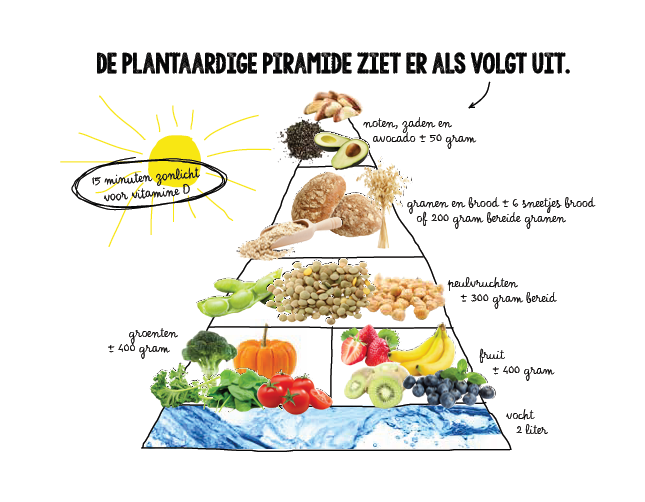
Om je hart gezond te houden, is het belangrijk om een gevarieerd dieet te eten dat rijk is aan voedingsmiddelen die goed zijn voor je hart. Hier zijn enkele tips:
Een van de belangrijkste factoren die je kunt doen om je risico ziekte aan het hart en vaten te verminderen, is regelmatig bewegen.
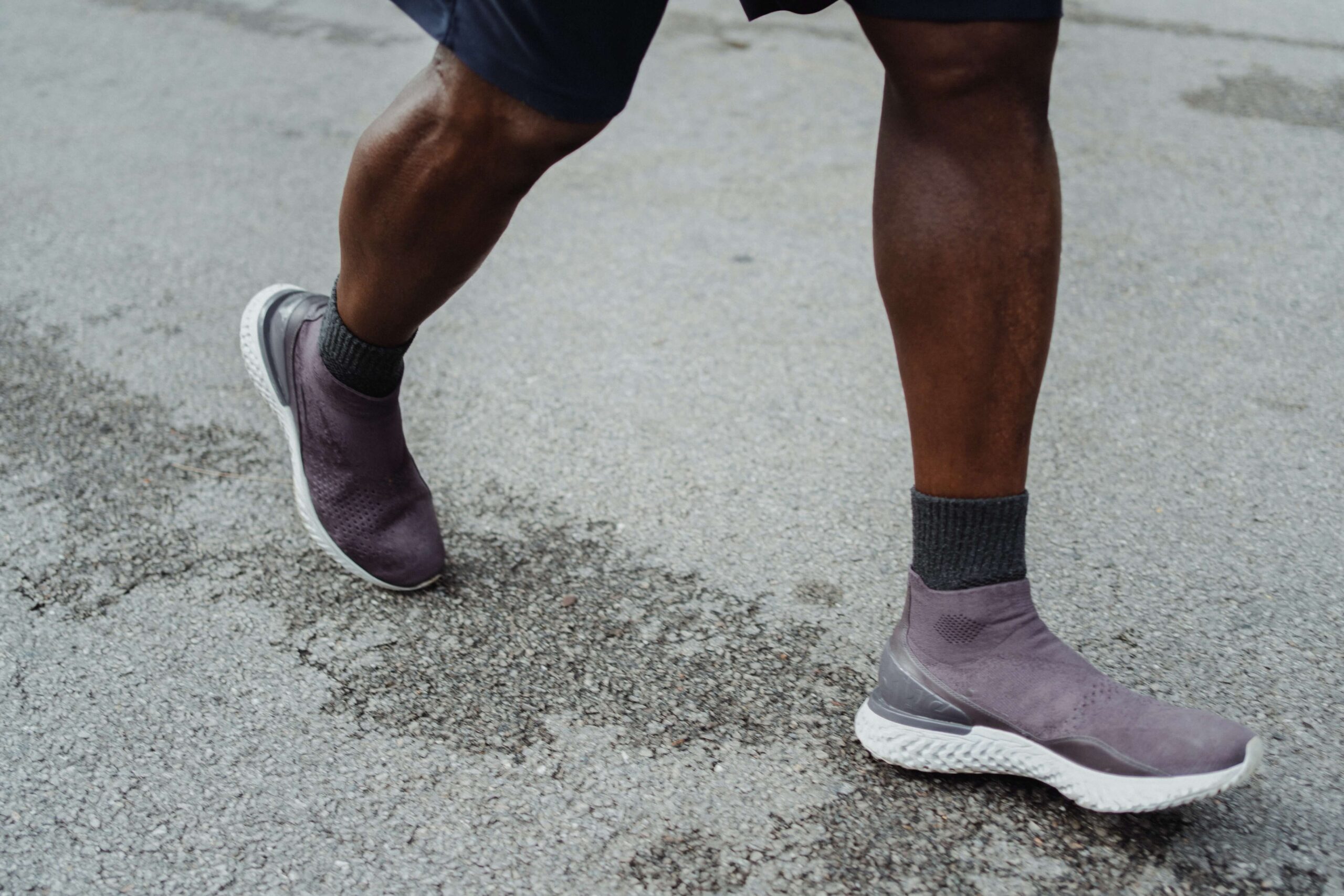
Lichaamsbeweging heeft een aantal voordelen voor het hart, waaronder:
Alle vormen van lichaamsbeweging zijn goed voor het hart, maar er zijn enkele oefeningen die meer effectief zijn dan andere.
Cardio-oefeningen
Cardio-oefeningen, zoals hardlopen, zwemmen en fietsen, zijn de beste manier om je hart en bloedvaten te versterken. Cardio-oefeningen helpen om je bloeddruk te verlagen, je cholesterolgehalte te verbeteren en je bloedstroom te verbeteren.
Krachttraining
Krachttraining helpt om je spieren te versterken, wat kan helpen om je bloeddruk te verlagen en je gewicht onder controle te houden. Krachttraining kan ook helpen om je botten sterker te maken, wat een risicofactor is voor hartziekten.
Stretching
Stretching helpt om je spieren soepel te houden, dat kan helpen om je houding te verbeteren en je blessures te voorkomen. Stretching kan ook helpen om je bloedsomloop te verbeteren.
De American Heart Association raadt aan om minstens 150 minuten per week aan matige intensiteitscardio-oefeningen of 75 minuten per week aan intensieve cardio-oefeningen te doen. Je kunt deze oefeningen ook combineren, bijvoorbeeld 30 minuten matig intensief bewegen zoals regelmatig traplopen, wandelen, fietsen enzovoorts, 5 dagen per week.
In aanvulling op bovenstaande cardio-oefeningen, raden ze ook aan om twee keer per week krachttrainingsoefeningen te doen die alle belangrijke spiergroepen belasten. Hoe ouder je wordt, hoe belangrijker het is om je spieren te blijven trainen!
Houd het leuk! Als je lichaamsbeweging leuk vindt, ben je er meer geneigd om het vol te houden. Vind manieren om lichaamsbeweging in je dagelijkse leven te integreren, zoals wandelen naar het werk of de sportschool, of dansen in je woonkamer.
Stress is een normale menselijke emotie die kan worden veroorzaakt door een breed scala aan factoren, zoals werk, financiën, relaties en gezondheidsproblemen. Hoewel stress in korte termijn geen schadelijke effecten heeft, kan langdurige stress bijdragen aan een aantal gezondheidsproblemen, waaronder hart en vaatziekten. Stress is een normale menselijke emotie die kan worden veroorzaakt door een breed scala aan factoren, zoals werk, financiën, relaties en gezondheidsproblemen. Hoewel stress in korte termijn geen schadelijke effecten heeft, kan langdurige stress bijdragen aan een aantal gezondheidsproblemen, waaronder hart en vaatziekten.
Langdurige stress kan leiden tot een aantal veranderingen in het lichaam, waaronder:
Deze veranderingen kunnen het risico op hart en vaatziekten vergroten, zoals hartaanvallen, beroertes en hartfalen.
Er zijn verschillende technieken die kunnen helpen om stress te verminderen. Enkele van de meest effectieve zijn:
Meditatie
Meditatie is een techniek die het lichaam en de geest kan helpen ontspannen. Er zijn veel verschillende soorten meditatie, maar de meeste omvatten het focussen op je ademhaling of het herhalen van een mantra.
Yoga
Yoga is een vorm van lichaamsbeweging die houdingen, ademhalingsoefeningen en meditatie combineert. Yoga kan helpen om stress te verminderen, de flexibiliteit te verbeteren en de gezondheid van het hart te bevorderen.
Ademhalingsoefeningen
Ademhalingsoefeningen kunnen helpen om je ademhaling te reguleren en je te ontspannen. Een eenvoudige ademhalingsoefening is om 4 seconden in te ademen, 4 seconden vast te houden en 4 seconden uit te ademen.
Mindfulness
Mindfulness is een vaardigheid die je leert om je aandacht te richten op het huidige moment zonder oordeel. Mindfulness kan helpen om stress te verminderen, de stemming te verbeteren en de gezondheid van het hart te bevorderen.
Lichaamsbeweging
Lichaamsbeweging is een geweldige manier om stress te verminderen. Regelmatige lichaamsbeweging helpt om de bloeddruk te verlagen, de hartslag te reguleren en de stemming te verbeteren.
Sociale steun
Sociale steun kan helpen om stress te verminderen. Het hebben van sterke relaties met familie en vrienden kan je helpen om je beter te voelen en omgaan met stressvolle situaties.
Tijd voor ontspanning
Het is belangrijk om tijd te nemen voor ontspanning. Dit kan betekenen dat je tijd doorbrengt met je hobby’s, leest, muziek luistert of gewoon niets doet.
Bloeddruk is de kracht waarmee het bloed tegen de wanden van je bloedvaten drukt. Een hoge bloeddruk, ook wel hypertensie genoemd, is een belangrijke risicofactor voor hart en vaatziekten, zoals hartaanvallen, beroertes en hartfalen.
Volgens de American Heart Association wordt een hoge bloeddruk gedefinieerd als:
Er zijn een aantal dingen die je kunt doen om je bloeddruk te verlagen, waaronder:
Wanneer je bloeddruk niet kan worden gecontroleerd door middel van leefstijlveranderingen, dan kan jouw huisarts medicijnen voorschrijven. Er zijn veel verschillende soorten bloeddrukmedicijnen beschikbaar, dus je arts kan samen met jou een medicijn vinden dat het beste bij je past.
Cholesterol is een vetachtige stof die in het bloed wordt aangetroffen. Het is belangrijk voor een aantal lichaamsfuncties, zoals de vorming van hormonen, vitamine D en gal.
Er zijn twee soorten cholesterol:
Een gezond cholesterolgehalte is belangrijk om het risico op hart en vaatziekten te verminderen. De American Heart Association raadt het volgende aan:
Net als bij het verlagen van je bloeddruk, kun je je LDL-cholesterol verlagen door een gezonde leefstijl te volgen. Dit betekent dat je een gezond dieet moet volgen, regelmatig moet bewegen, geen overgewicht, stoppen met roken en het beperken van alcoholinname. Mocht dit niet werken kun je met je huisarts overleggen om medicijnen te krijgen voor het verlagen van je cholesterol.
Roken is een van de grootste risicofactoren voor hartziekten.
Het verhoogt het risico op een hartaanval, beroerte, hoge bloeddruk en andere hart en vaatziekten. Als je rookt, is het belangrijk om te stoppen. Stoppen met roken is niet gemakkelijk, maar het is de moeite waard. Binnen enkele weken na het stoppen met roken zal je bloeddruk dalen en zal je risico op hartziekten verkleinen.
Lees in onze blog over succesvol stoppen met roken met belangrijke tips en adviezen, om ervoor te zorgen dat je effectief stopt met roken!
Overgewicht en obesitas zijn belangrijke risicofactoren voor hart en vaatziekten. Mensen met overgewicht of obesitas hebben een grotere kans op het ontwikkelen van een hoge bloeddruk, hoog cholesterol, diabetes en andere aandoeningen die het risico op hart en vaatziekten verhogen.
Een gezond gewicht is belangrijk voor een goede hartgezondheid
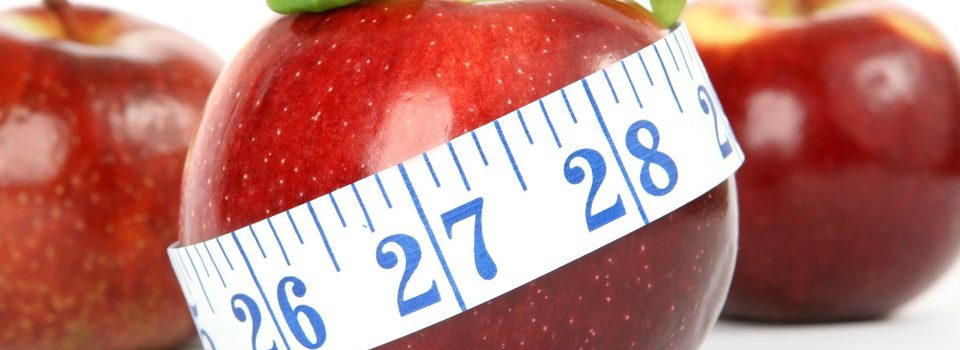
Een gezond gewicht betekent dat je lichaamsgewicht in verhouding staat tot je lengte. Je kunt je BMI (Body Mass Index) berekenen om te bepalen of je een gezond gewicht hebt. Een BMI van 18,5 tot 24,9 is gezond. Een BMI van 25 tot 29,9 is overgewicht. Een BMI van 30 of hoger is obesitas.
Gewichtsbeheersing helpt je risico op hart en vaatziekten te verminderen
Als je overgewicht of obesitas hebt, kan gewichtsbeheersing je helpen om je risico op hart en vaatziekten te verminderen. Door gewicht te verliezen, kun je je bloeddruk, cholesterol en bloedsuikerspiegel verbeteren. Je kunt ook je stressniveau verlagen en je slaapkwaliteit verbeteren.
Lees ook onze blog over overgewicht, met 11 tips voor een gezond gewicht
Slaap is een essentieel onderdeel van een gezonde levensstijl. Het is belangrijk voor onze fysieke en mentale gezondheid. Maar wist je dat slaap ook een belangrijke rol speelt bij onze hartgezondheid?
Slaap en hartgezondheid
Slechte slaapkwaliteit kan een aantal negatieve effecten hebben op onze hartgezondheid:
Tips voor een betere nachtrust:
Als het je regelmatig niet lukt om in slaap te vallen probeer dan een van deze dingen:

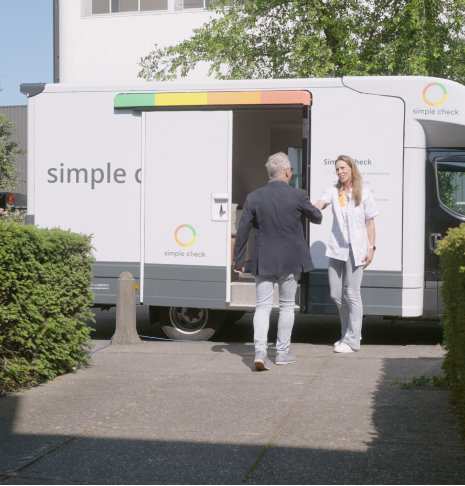
Door regelmatig je bloeddruk en je cholesterol te laten meten ben preventief al goed bezig. De afwijkende waarden hiervan zijn namelijk niet of nauwelijks merkbaar. Daarnaast is het belangrijk te kijken naar zaken als gewicht, BMI, visceraal vet (het onzichtbare vet) en buikvet. De resultaten hiervan zijn belangrijk om te bepalen of jij een verhoogd risico hebt op hart- en vaatziektes. Bij Simple Check ben je verzekerd van regelmatige gezondheidscontroles. Wij meten essentiële waarden op alle vlakken om preventief hart en vaatziekten te detecteren. We raden aan om een huisarts advies te vragen bij afwijkende waarden. De afwijkende waarde kunnen natuurlijk een moment opname zijn, daarom is het van belang om deze regelmatig te controleren.

Als CEO van Simple Check zet ik mij dagelijks in om organisaties en medewerkers te helpen vitaal, gezond en met plezier te werken.
Samenwerken met Simple Check betekent helder inzicht in wat er écht speelt binnen je organisatie.
Wij helpen bedrijven grip te krijgen op werkstress, vitaliteit, gezondheid en betrokkenheid zodat medewerkers gezonder, energieker en productiever blijven.

Een Preventief Medisch Onderzoek (PMO) is wettelijk verplicht, maar de echte waarde zit in wat je ermee doet.…
Onze adviseurs staan klaar om samen te ontdekken hoe we in jouw bedrijf een gezonde, veilige en vitale werkomgeving kunnen creëren.
Vraag een offerte aan Lisa Meddens
CEO van Simple Check
Lisa Meddens
CEO van Simple Check