



- Wij krijgen een 9,2 uit meer dan 3.000 reviews
- Digitaal dashboard met real-time inzichten
- ISO-gecertificeerd
Menu

Inzicht in de impact van preventie op verzuim, werkplezier en productiviteit
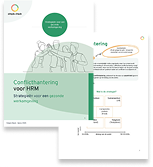
Een handleiding baseerd op bewezen methoden zoals TKI, coaching en mediation.

Leer hoe je de Duurzame Inzetbaarheidsindex effectief inzet om jouw organisatie te versterken.


Gezondheid stimuleren op de werkvloer is de verantwoordelijkheid van zowel de werkgever als de werknemer. De werkgever is wettelijk verplicht zijn werknemers in de gelegenheid te stellen hun gezondheid te laten meten. Hij moet ervoor zorgen dat het werk de gezondheid niet schaadt en doet er goed aan om bewustwording van een gezonde levensstijl te creëren.


5-stappenplan voor effectief beleid incl. checklist.
"*" geeft vereiste velden aan
Meer dan 1.700 bedrijven gingen je voor. Zo simpel is het. Check.
Het is vervolgens aan de werknemer om met het inzicht of de kennis aan de slag te gaan. We moeten in ieder geval af van de gedachte dat de werknemer zelf spontaan met klachten naar de werkgever toe komt. De werknemer vreest dat het sociale consequenties voor hem zal hebben en daarbij komt ook nog het feit dat werknemers het effect van hun werkzaamheden op lange termijn nauwelijks kunnen inschatten.
De HR Manager moet daarom een balans vinden tussen het “bemoeien” met de levensstijl van haar personeel en het aanmoedigen van gezonde keuzes. Het is tijd voor een heldere en preventieve aanpak.
Werknemers verwachten dat de werkgever het initiatief neemt als het gaat om het stimuleren van gezondheid op de werkvloer. Omgekeerd verwachten werkgevers dat werknemers aan de bel trekken wanneer zij een te hoge werkdruk ervaren of zich zorgen maken over hun lichamelijke gezondheid.
“Zo lang ik niks hoor, zal het wel los lopen”, is een veel voorkomende reactie van het management. Helaas, zo simpel ligt het niet. Het komt zeer zelden voor dat werknemers zelf naar hun werkgever stappen.
Uit onze ervaring blijkt dat werknemers teleurgesteld zijn in de mate waarin hun werkgever hen gezond, fit en productief probeert te houden. Dat onlangs naar buiten kwam dat driekwart van de werknemers niet door hun werkgever gestimuleerd wordt om de trap te nemen in plaats van de lift komt dan ook niet als een verrassing.
Het mag duidelijk zijn dat er meer behoefte is aan ondersteuning. Maar tot op welke hoogte mag de werkgever ondersteuning bieden? Door de volgende drie punten aandacht te geven, kom je al een heel eind.
Het daadwerkelijk maken van gezonde keuzes is aan de werknemer, maar de werkgever mag de keuze wel degelijk beïnvloeden.
Ondanks dat de werkgever wettelijk verplicht is om de werknemer de mogelijkheid te bieden gezondheidsrisico’s te beperken, maken nog maar weinigen er gebruik van. Frappant, aangezien de werkplek een ideale plek is om gezonder leven te stimuleren.
Het inzichtelijk maken van de gezondheid van werknemers kan een aanzet geven tot een gezondere levensstijl. Daarnaast laat het zien waar eventuele problemen liggen, waardoor de werkgever haar personeel ondersteuning kan bieden op de weg naar een betere gezondheid. Als het management het belang van duurzame inzetbaarheid inziet en een effectieve aanpak ontwikkelt, dan volgen de werknemers vanzelf.
Een mooi voorbeeld hiervan is de werkwijze van BMW | MINI Amsterdam. Zij bieden hun werknemers een vitaliteitsprogramma aan, met als onderdeel een health check. “Het enthousiasme van ons personeel laat zien dat het goed is om de spiegel af en toe voor te houden”, vertelt Reinier Mutsearts directeur BMW MINI Amsterdam.
“Wij vinden gezondheid op de werkvloer heel belangrijk. Een health check in combinatie met ons vitaliteitsprogramma maakt dat werknemers gezonder gaan leven. We zien de meest creatieve ideeën naar boven komen, zoals een marathon in onze parkeergarage en groene smoothies tijdens de lunch. Zulke gekke dingen ontstaan doordat wij het initiatief nemen”, aldus Reinier.
Voor gedragsverandering is een stimulerende werkomgeving nodig. Op welke manier hier invulling aan wordt gegeven verschilt per branche en bedrijfscultuur. Hoogleraar Organisational Behaviour Andre Spicer is van mening dat werkgevers er goed aan doen om in te spelen op de gezondheidstrend ‘Corporate wellness’.
Onder dit begrip vallen de activiteiten die worden georganiseerd om werknemers meer te laten bewegen en te ontspannen. Je kunt bijvoorbeeld denken aan teambuilding met het oog op gezondheid, fitness mogelijkheden of yogalessen.
Verhoog de vitaliteit van jouw personeel en creëer een gezond werkklimaat!

Als CEO van Simple Check zet ik mij dagelijks in om organisaties en medewerkers te helpen vitaal, gezond en met plezier te werken.
Samenwerken met Simple Check betekent helder inzicht in wat er écht speelt binnen je organisatie.
Wij helpen bedrijven grip te krijgen op werkstress, vitaliteit, gezondheid en betrokkenheid zodat medewerkers gezonder, energieker en productiever blijven.
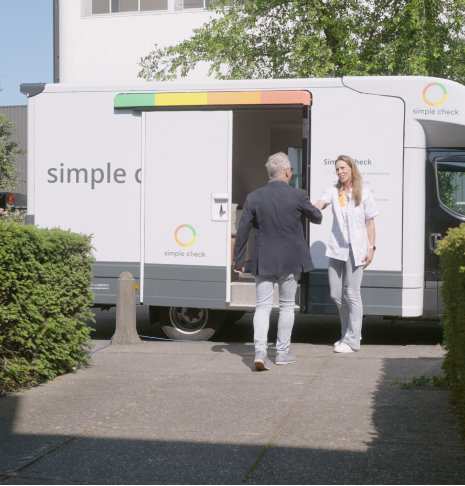
Een Preventief Medisch Onderzoek (PMO) is wettelijk verplicht, maar de echte waarde zit in wat je ermee doet.…
Onze adviseurs staan klaar om samen te ontdekken hoe we in jouw bedrijf een gezonde, veilige en vitale werkomgeving kunnen creëren.
Vraag een offerte aan Lisa Meddens
CEO van Simple Check
Lisa Meddens
CEO van Simple Check