



- We get a 9.2 from more than 3,000 reviews
- Digital dashboard with real-time insights
- ISO certified
Menu

Understanding the impact of prevention on absenteeism, job satisfaction and productivity
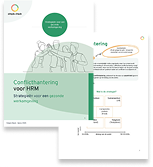
A manual based on proven methods such as TKI, coaching and mediation.

Learn how to effectively use the Sustainable Employability Index to strengthen your organization.


The Netherlands is slowly climbing out of the economic crisis. The housing market is stable, consumer confidence is growing and international trade is increasing. The Dutch economy grew by 0.8% in 2014, confirming that things are moving in the right direction. The Dutch economy is expected to grow to 1.7% over the next two years, which will lead to a substantial increase in purchasing power, investments and consumption. In addition, employment is expected to increase by 0.6% next year. If this growth continues, the Netherlands will be back to its pre-economic crisis level by the end of 2017. Positive news about our economy, but what effect does economic growth have on absenteeism?

5-step plan for effective policy, including checklist.
"*" indicates required fields
More than 1,700 companies went before you. It's that simple. Check.
Absenteeism falls when the economy is bad. Workers are less likely to call in sick, for fear of losing their jobs. In the year 2000, the year the economic crisis hit, the rate was 5.5% and in 2014 it was only 3.8%. The increasing workload can also be cited as a reason. The decline for absenteeism seems like a favorable situation for employers, but when the economy picks up, the opposite appears. For example, the number of mental health complaints increased by 25% in 2014. It becomes visible that the economic crisis has had a huge impact on staff in addition to business.
Research shows that in times of economic growth, absenteeism due to illness increases by at least 0.25%. Employment is picking up, reducing fears of unemployment. As a result, employees are more likely to report sick and for longer periods. In 2014, absenteeism due to illness rose by 1% and the duration of absenteeism increased by five days.
The answer to this question is: work stress. This is evident from an analysis by ArboNed shows that employees are currently experiencing more stress than in previous years. Increased work pressure and temporary contracts are cited as the main causes. Absenteeism due to work-related stress was eight times higher last year than in 2009. Young people under the age of 25 in particular report suffering more from work-related stress.
It is therefore expected that psychological absenteeism in this target group will increase in the coming years. To counteract this increase, it is important that employers conduct Preventive Medical Examination (PMO). A PMO that assesses both physical and psychological health. Psychological complaints are more difficult to remedy than physical complaints, which means that absenteeism lasts longer and the costs for the employer will be even higher.
Thus, to ensure quality during economic growth, investment in employee health is desperately needed. Attention to health creates employee satisfaction, leads to greater insight into one's own company and more openness on the part of staff. Engage in conversations with each employee, thereby strengthening personal contact. It is important to understand what is going on in the employee's mind. There is a greater chance that mental health problems will be detected in a timely manner and thus the chance of recovery.

As CEO of Simple Check, I am committed to helping organizations and employees work in a vital, healthy, and enjoyable way every day.
Working with Simple Check means clear insight into what is really going on within your organization.
We help companies get a handle on work stress, vitality, health and engagement so that employees stay healthier, more energetic and productive.

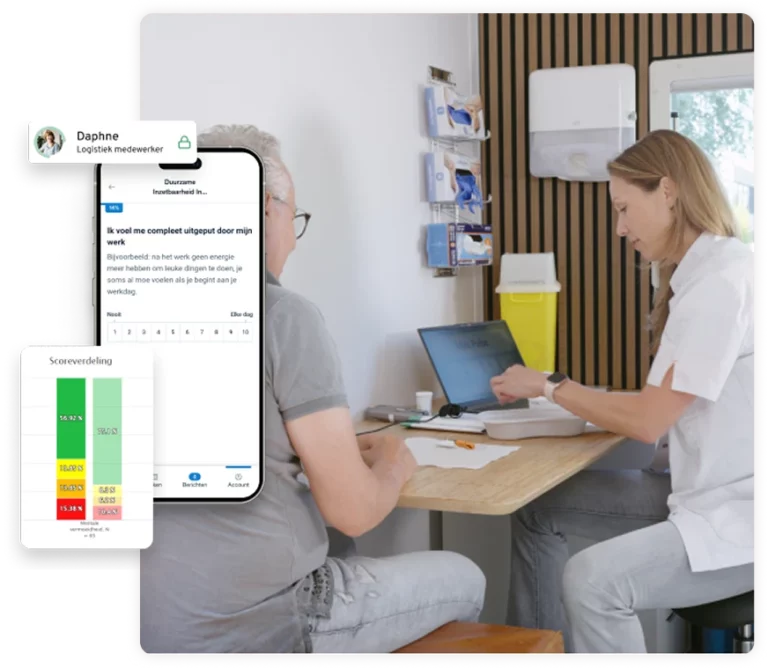
A Preventive Medical Examination (PMO) is required by law, but its true value lies in what you do with the results.…
Our consultants are ready to discover together how to create a healthy, safe and vital work environment in your company.
Request a quote Lisa Meddens
CEO of Simple Check
Lisa Meddens
CEO of Simple Check